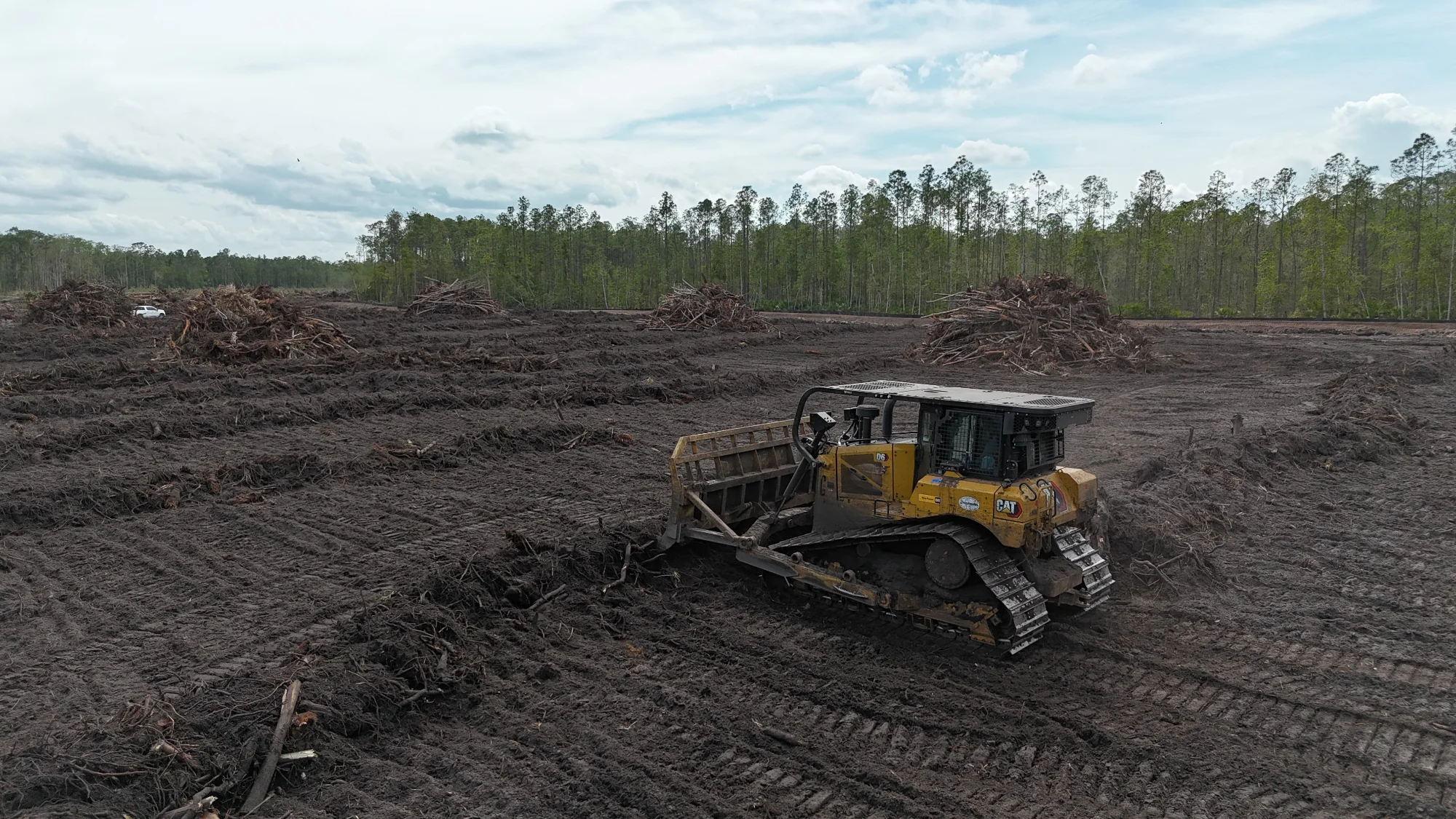
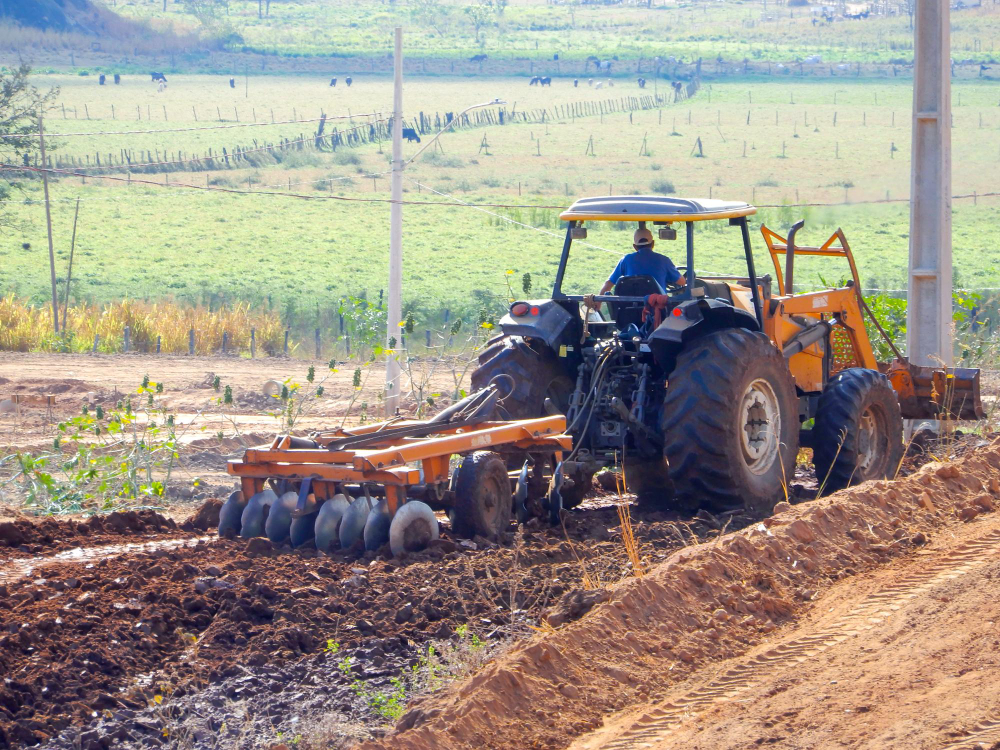
Every development project starts with a piece of land, but turning raw acreage into a buildable site isn't as simple as firing up a bulldozer. In Florida, the lush landscape is both a major draw and a significant regulatory hurdle. Whether you're planning a new subdivision in Winter Park or a commercial complex near Lake Nona, the question often arises: can you handle the land clearing yourself, or do you need to bring in professionals?
While the DIY route might seem like a way to cut upfront costs, the reality of land clearing in the Sunshine State is far more complex. Florida has a unique ecosystem that is heavily protected by a web of state and local regulations. Missteps here don't just mean delays; they can lead to hefty fines and project shutdowns that impact your bottom line.
For development companies, time is money. Understanding the specific requirements for land clearing in Orlando Florida and surrounding areas is critical for keeping your project on schedule. This guide breaks down the regulations, costs, and practical considerations you need to weigh before breaking ground.
Florida’s regulatory environment is designed to protect its wetlands, water resources, and native wildlife. Before you remove a single tree, you need to navigate a maze of permits. The specific requirements depend on your location, but generally, you will deal with the Florida Department of Environmental Protection (DEP) and local Water Management Districts.
In Central Florida, for instance, the St. Johns River Water Management District plays a major role. They regulate activities that impact wetlands and surface waters. If your site contains protected wetlands—which is common in counties like Orange and Seminole—you will likely need an Environmental Resource Permit (ERP).
Local municipalities also have their own rules. Orange County, for example, often requires a permit for removing trees over a certain size. Ignoring these local ordinances can result in stop-work orders. It’s not just about the trees; it’s about how water moves across the land. Improper clearing can lead to erosion and drainage issues, which are heavily penalized.
Why does this matter? Because non-compliance is expensive. Fines can range from thousands of dollars per day to requirements that you restore the land to its original state—a nightmare scenario for any developer working on a tight timeline.
Not all land is created equal. The strategy for clearing a flat, dry lot in Oviedo is vastly different from tackling a dense, swampy parcel in Kissimmee. Several key factors dictate how you should approach the job:
Understanding these variables upfront prevents surprises. It allows you to budget accurately for mitigation costs and build realistic timelines that account for environmental assessments.
Staying on the right side of the law involves a methodical approach. Skipping steps is the fastest way to derail a project.
Cost is always a driving factor in development. While prices fluctuate based on the density of vegetation and the size of the lot, understanding the baseline helps in budgeting.
For professional clearing services, you can generally expect to pay between $1,500 and $6,000 per acre for lightly wooded areas. Heavily forested land or areas requiring complex stump removal can push costs upwards of $7,000 per acre.
If you attempt a DIY approach, you'ren't paying a contractor, but you're incurring other costs:
While the sticker price of a professional bid might seem higher initially, it includes the efficiency of experienced crews and the assurance that regulations are being followed. Hidden costs in DIY—like repairing a damaged utility line or paying a fine for an erosion violation—can quickly erase any perceived savings.
For a development company, the "DIY" option usually means using your own general construction crews versus hiring a specialized land clearing subcontractor.
The Case for DIY:
If you have a small, uncomplicated lot with no wetlands or protected species, and your crew is already on-site with the right equipment, handling it internally might make sense. It gives you direct control over the schedule and keeps your team billable.
The Case for Professionals:
Specialized land clearing contractors bring heavy-duty forestry mulchers and high-capacity grinders that standard construction equipment can't match. Grinding on-site, for example, turns waste into mulch that can be used for erosion control, saving on haul-away fees.
Professionals also carry the liability. If a tree falls on a neighboring property or a hidden pipe is struck, their insurance handles it. For large-scale projects involving land clearing in Orlando Florida, the risk mitigation alone is often worth the outsourcing. They know the local inspectors in Sanford and Apopka, they understand the specific soil conditions, and they can anticipate delays before they happen.
Consider a recent project in Clermont where a developer attempted to clear a hilly, 10-acre site using general excavation crews. They failed to install proper silt fencing before a week of heavy summer rains. The result? massive sediment runoff into a nearby lake, leading to a Stop Work Order and thousands in fines from the DEP. The project was delayed by six weeks while remediation was performed.
Contrast that with a commercial project in Altamonte Springs. The developer hired a specialized clearing firm that identified a patch of protected scrub habitat early. They adjusted the clearing limits, obtained the necessary permits swiftly, and used forestry mulchers to clear the rest of the site in half the expected time. The project stayed on schedule and under budget because potential issues were managed proactively.
Before starting your next project, consult these resources to ensure compliance:
Can you clear your own land in Florida? Legally, yes, provided you have the permits. But for development companies, the better question is: should you? The regulatory landscape is fraught with pitfalls that can cost time and money. From navigating protected species to managing stormwater runoff, the expertise of a specialist is often the best insurance policy for your project schedule.
Successful development is about managing risk. By understanding the complexities of land clearing in Orlando Florida and partnering with experts who know the local terrain, you set your project up for a smooth transition from raw land to vertical construction.
Ready to start your project on solid ground? Contact Drinkwater & Drinkwater at (407) 732-4530 today. We have the equipment, the experience, and the local knowledge to get the job done right.

Copyright © 2023. All Rights Reserved.
Web Design, SEO & Hosting by REK Marketing & Design