If you're eyeing a new development project near the expanding I-4 corridor or looking to break ground on a commercial lot in Seminole County, you know that the land doesn't come ready-made. Before the foundation is poured, the site needs to be prepped. For developers, understanding the budget for site preparation is the first step toward a profitable project.
But Florida isn't like other states. Between our sandy soil, dense palmetto thickets, and strict environmental regulations, clearing a lot here requires specific expertise. Whether you're planning a residential subdivision in Winter Park or a commercial complex, accurate budgeting prevents headaches down the road. This guide breaks down what you can expect to pay and why getting the right team matters.
No two lots are the same, and a flat rate rarely applies to large-scale development. Several variables will swing your final estimate up or down.
Florida’s vegetation is tough. A lot covered in light brush or pine trees is relatively straightforward to clear. However, if your site in Apopka is covered in mature oak trees or dense saw palmetto patches, the price jumps. Palmetto roots run deep and are notoriously difficult to remove completely, often requiring heavier machinery and more time.
Is the land flat and dry, or is it low-lying and swampy? Florida’s rainy season—from June to September—can turn a simple land clearing job into a muddy challenge. Heavy equipment can bog down in wet soil, slowing progress. If your site is difficult to access with large machinery, crews may need to use smaller equipment or manual labor, which drives up labor hours.
Naturally, clearing 50 acres for a subdivision in Clermont will cost less per acre than clearing a single quarter-acre lot in downtown Orlando due to economies of scale. However, the location dictates disposal fees and permit requirements.
For development companies, you need hard numbers for your pro forma. While every project requires a custom quote, here are the industry standards you can expect in the Central Florida market.
For light clearing (brush and small trees), costs typically range from $1,500 to $3,000 per acre.
For heavily wooded areas with dense vegetation or large trees, expect to pay between $3,500 and $6,000+ per acre.
This is the bulk of the work, involving the removal of trees, shrubs, and underbrush.
Leaving stumps behind isn't an option for construction sites. You generally have two choices: digging them out or grinding them down. For development projects where you need a level grade for foundations, complete removal is standard.
However, for debris management, grinding is an essential part of the process. We process debris on-site to keep the project moving efficiently. This is especially crucial for projects in tight spaces or near existing structures where burning isn't allowed. Grinding costs are often calculated by the hour or by the size of the stump, averaging $2 to $4 per inch of diameter if priced individually, though bulk rates usually apply for development sites.
Once the vegetation is gone, the land must be leveled. Rough grading typically costs between $0.50 and $2.00 per square foot, depending on how much dirt needs to be moved. Proper grading is critical to manage Florida’s heavy summer rainfall—over 50 inches a year—and prevent future drainage issues.
Never overlook the paperwork. In places like Seminole County or Orange County, you will likely need a land clearing permit before a single tree is touched. These permits generally cost between $100 and $500, but fines for clearing without them can run into the thousands.
According to data from Angi, the national average for land clearing is around $3,000 per acre, but Florida's specific terrain and density often push complex projects toward the higher end of that spectrum.
We live in a beautiful ecosystem, and protecting it is part of the job. You must survey for protected species like the Gopher Tortoise. If active burrows are found on your site in Sanford or surrounding areas, you're required by law to relocate them. This process involves permits and specialized agents, which can add time and cost to your timeline.
What happens to the trees once they are down? Hauling debris away creates disposal fees. Forestry mulching, where vegetation is shredded into mulch and left on the ground, can be a cost-effective alternative that also helps control erosion. This method is increasingly popular for land clearing in Sanford, Florida, particularly for commercial holding properties that need to be maintained before full construction begins.
You might be tempted to look for the lowest bidder, but in this industry, reliability is currency. A delayed site prep delays the foundation, which delays framing, which pushes back your grand opening.
We are the local experts you trust with your business. We are not a giant, faceless corporation; we are the folks who live and work right here in Central Florida. We understand the local soil, the weather patterns from Lake Nona to Altamonte Springs, and the specific municipal requirements for land clearing in Sanford, Florida and beyond.
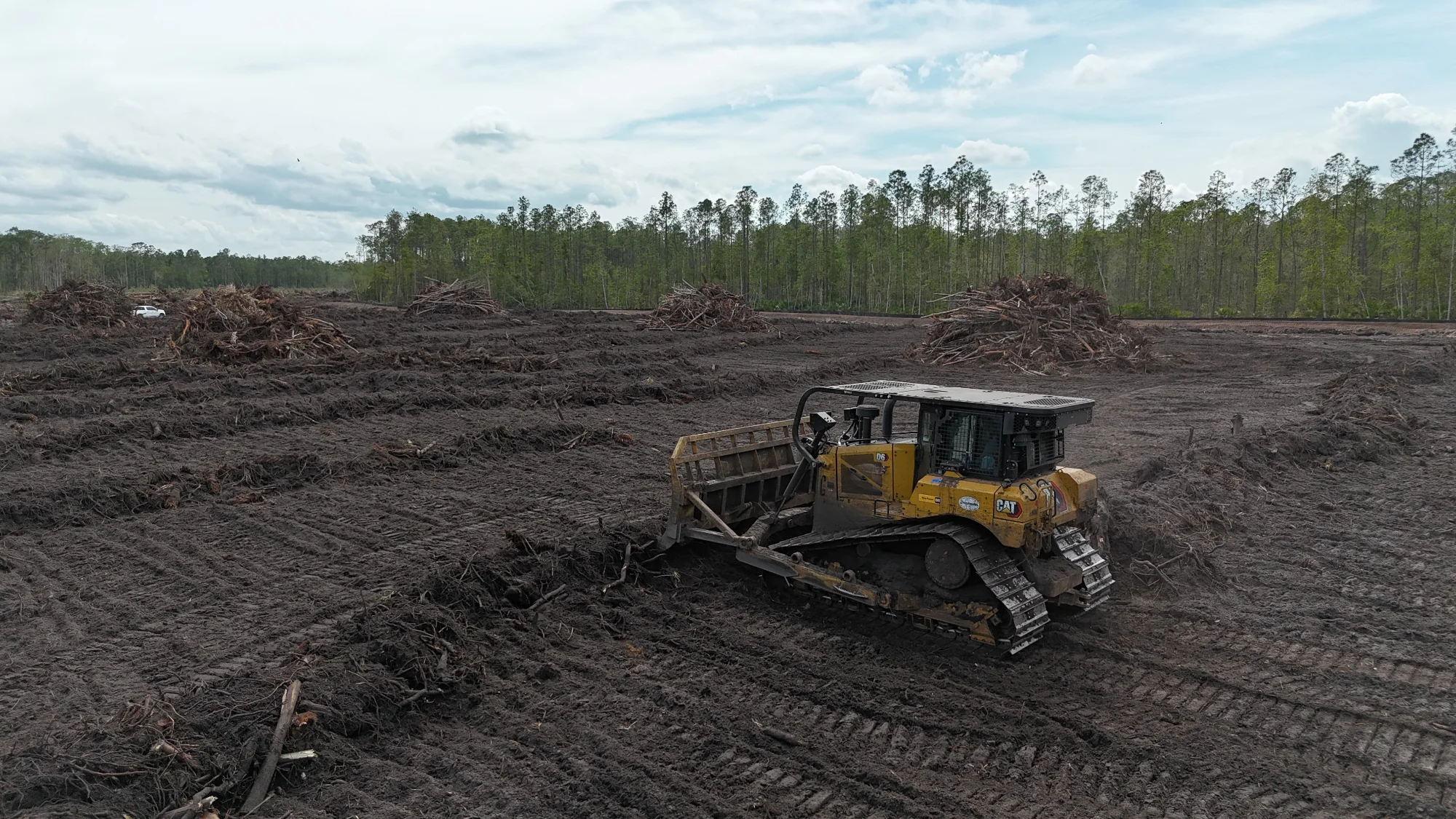
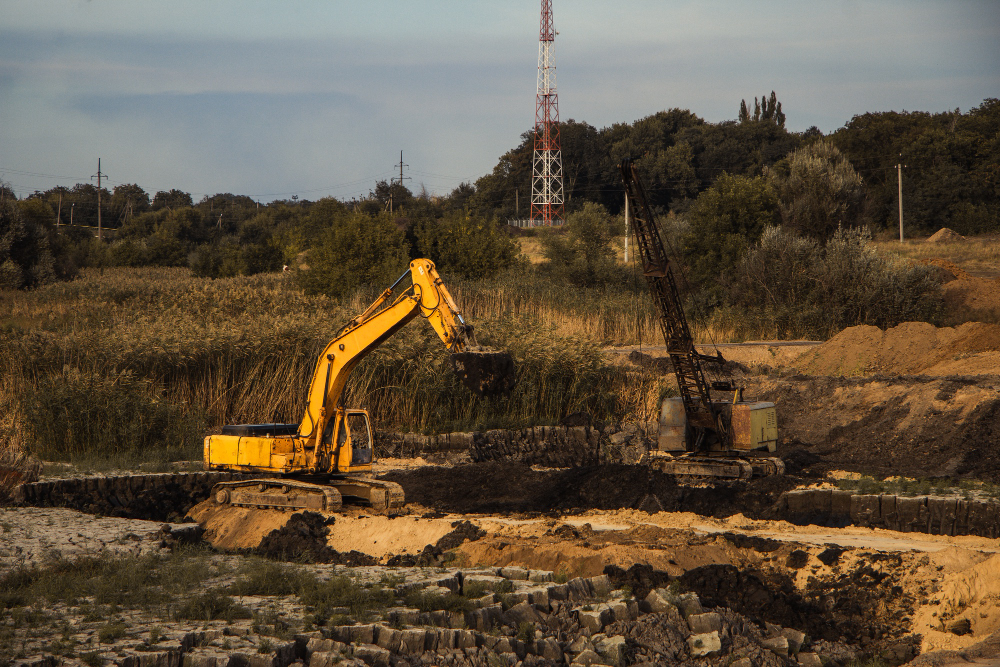
Professional contractors bring the right fleet of equipment—bulldozers, excavators, and forestry mulchers—to handle the job safely and efficiently. We also handle the logistics of debris processing in-house, ensuring you'ren't waiting on a third-party subcontractor to show up.
Budgeting for site preparation doesn't have to be a guessing game. By understanding the variables—from vegetation density to permit fees—you can build a realistic budget that keeps your development on track.
Whether you're preparing a commercial site near the Sanford International Airport or a residential plot in Oviedo, choosing a contractor who values planning and safety is your best asset. When you need reliable land clearing in Sanford, Florida, you need a team that knows the terrain.
Ready to clear the way for your next project? Contact Drinkwater & Drinkwater at (407) 732-4530 today to schedule your site assessment.

Copyright © 2023. All Rights Reserved.
Web Design, SEO & Hosting by REK Marketing & Design