Yes, clearing land can increase property value when the work turns an overgrown or difficult parcel into usable, buildable ground without damaging drainage, topsoil, or future grading plans. For developers evaluating property near Sanford, the return comes from reducing uncertainty before construction begins. A properly prepared site is easier to inspect, engineer, market, finance, and develop.
For commercial developers, homebuilders, and landowners planning a major project, site preparation is not a minor preliminary expense. It is Step 1, and mistakes made here can follow a project through permitting, grading, drainage, foundations, and final delivery. Contact Drinkwater & Drinkwater at (407) 732-4530 to discuss the site before clearing begins.
Around Oviedo, where development can involve wooded acreage, mixed vegetation, and parcels with varying elevations, clearing decisions should be tied to the eventual use of the property. Drinkwater & Drinkwater approaches site preparation with the next construction phases in mind, rather than treating vegetation removal as an isolated task.
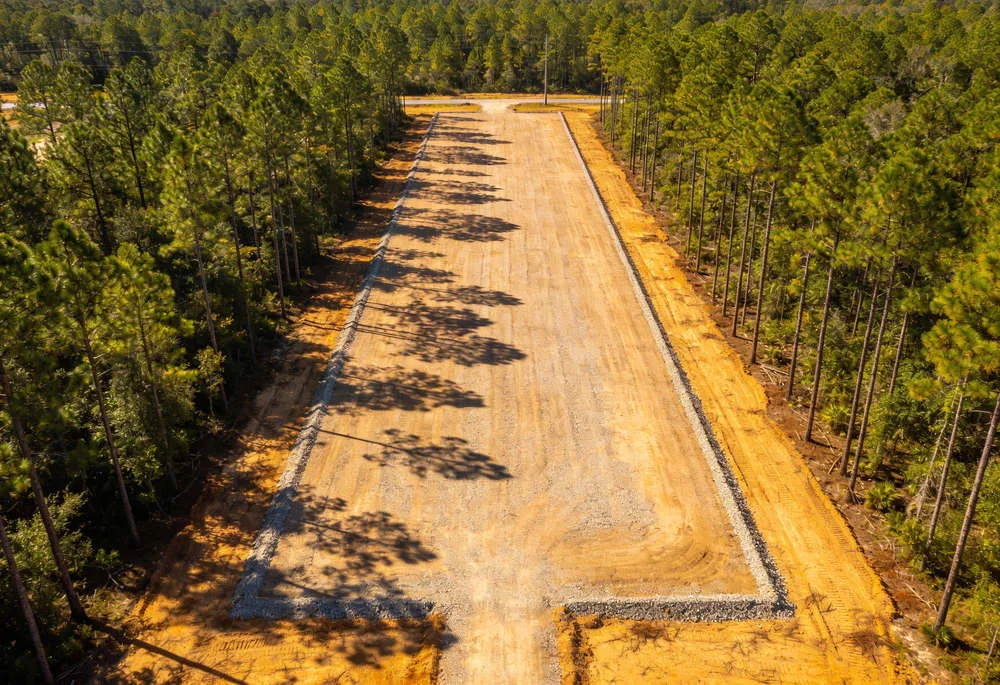
In the Orlando market, a parcel that looks inaccessible or heavily overgrown can be harder for buyers, engineers, and project teams to evaluate. Once the site is opened correctly, its usable area becomes easier to understand. Access improves. Surveying and soil evaluation become more practical, and the property's development potential is easier to see.
How clearing can improve a property's development value
The ROI of professional clearing is not based on removing the largest number of trees as quickly as possible. Value comes from making the property more usable while protecting the conditions needed for construction.
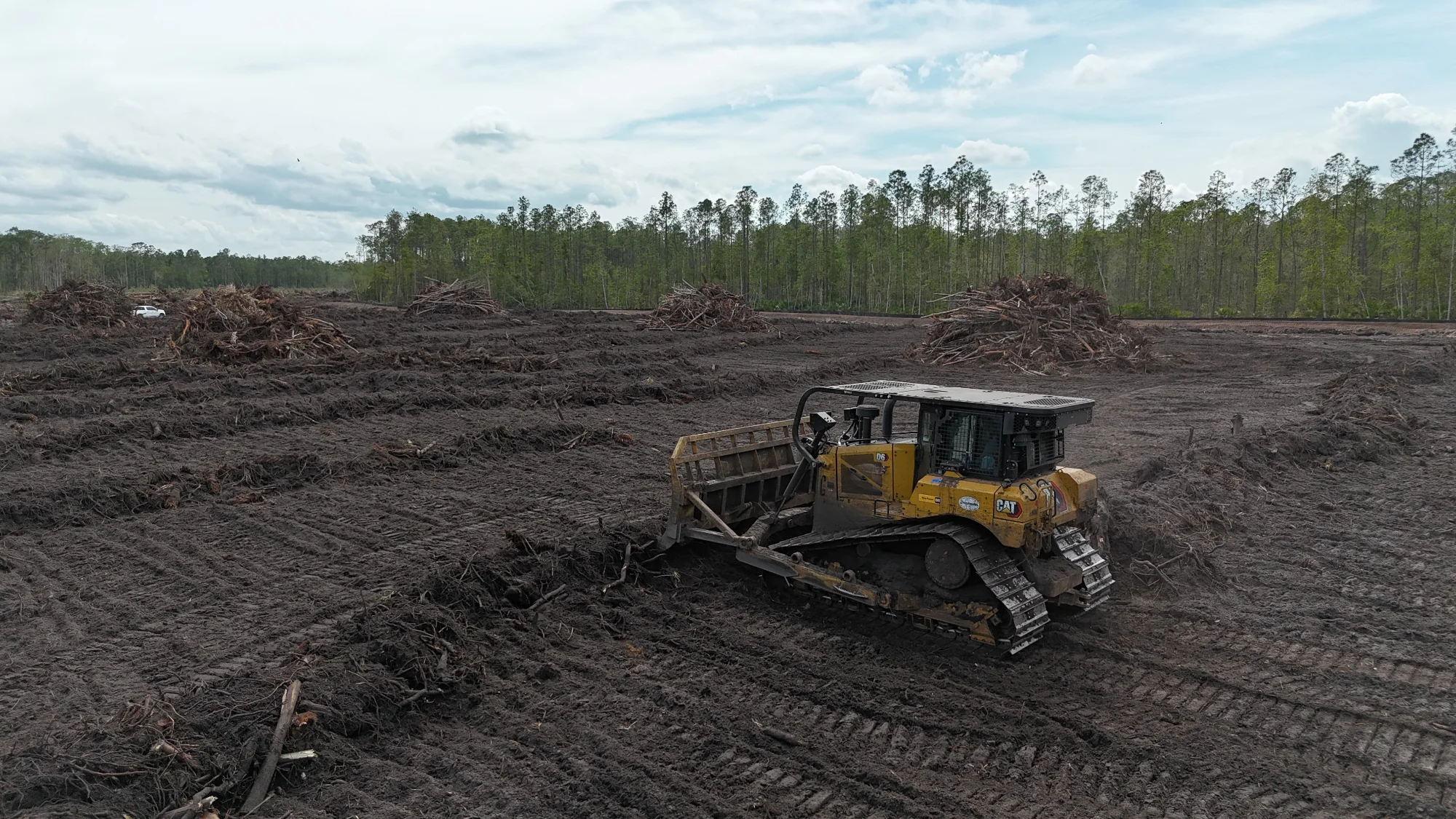
Professional land clearing can open access routes, remove unwanted vegetation, prepare building areas, and expose site conditions that were previously hidden. For a commercial developer, that information matters. Unexpected stumps, unsuitable soils, drainage problems, or access limitations can affect schedules and budgets if discovered too late.
A cleared parcel may also become more marketable because prospective buyers can better understand what they are evaluating. They can see usable acreage, terrain, access points, and the general shape of the site without trying to estimate what lies beneath dense vegetation.
But clearing alone does not guarantee a higher property value. Poor execution can create new costs.
Cheap clearing can become an expensive construction problem
A contractor who simply pushes vegetation aside without considering grades, drainage, erosion, or topsoil can leave the next team with a difficult site. Heavy equipment used carelessly may disturb areas that did not need to be touched. Improper soil movement can create low spots, drainage issues, or additional grading work.
That is where a low initial bid can lose its appeal.
Developers often measure site work by its effect on the critical path. If clearing delays surveying, grading, utility installation, or foundation work, the real cost may extend beyond the clearing invoice. Crews can sit idle. Equipment may need to be rescheduled. Permit conditions can become harder to satisfy.
Stormwater runoff is another concern in Florida. Improper land disturbance can create erosion and sediment problems, potentially drawing regulatory attention and exposing a project to corrective work or fines from environmental authorities, including the Florida Department of Environmental Protection when applicable.
The better approach is to plan clearing around the property's intended use, existing contours, drainage needs, and the work that follows.
Protecting topsoil and grading protects ROI
Topsoil has practical value on a development site. Removing too much, mixing it unnecessarily with unsuitable material, or pushing it into the wrong areas can increase later costs.
Correct clearing helps preserve usable soil and supports more efficient grading. The goal is not to make every acre look scraped clean. It is to prepare the right areas for roads, pads, utilities, drainage infrastructure, agriculture, or future sale.
For a multi-million-dollar project, this distinction matters. Clearing should support the civil plan, not fight it.
A developer who knows where buildings, retention areas, access roads, and utilities will go can make more precise clearing decisions. A landowner preparing property for sale may have different priorities, such as improving access and making usable acreage visible without disturbing more ground than necessary.
Forestry mulching offers another option for many sites
Traditional clearing often involves cutting vegetation, piling debris, hauling material away, or burning where regulations and site conditions allow. Forestry mulching changes that process by grinding vegetation on site and returning the resulting mulch to the ground.
For suitable properties, this can reduce hauling, eliminate large debris piles, and speed up portions of the clearing process. The mulch layer may also help reduce exposed soil in certain applications.
Professional grinding can be particularly useful when a project needs vegetation processed efficiently on site. It may offer a cleaner and often more economical alternative to conventional haul-and-burn methods, depending on vegetation density, tree size, acreage, terrain, and the project's final grading requirements.
Not every parcel should be handled the same way. Some sites need conventional clearing. Others are good candidates for forestry mulching or a combination of methods. The right choice depends on what is growing there and what needs to happen after the equipment leaves.
Clearing should make the next phase easier
The strongest ROI case for professional site clearing is straightforward: every major construction phase depends on the ground beneath it.
Survey crews need access. Engineers need accurate site information. Grading contractors need workable conditions. Utility crews need clear routes. Builders need stable, properly prepared areas that match the project plan.
When clearing is treated as disconnected demolition work, those later phases may inherit the consequences. When it is handled as the first construction operation, the site can move into grading and development with fewer avoidable obstacles.
For developers, residential builders, farm owners, and landowners preparing Central Florida property for construction or sale, the clearing partner affects more than appearance. The work can influence schedule reliability, grading costs, site access, drainage performance, and how clearly buyers or project teams can evaluate the parcel.
Before equipment starts moving vegetation, call Drinkwater & Drinkwater at to discuss the property, intended use, clearing requirements, and the work that needs to follow.