Are you looking at a wooded lot in Sanford and dreaming of your future home? It's exciting, but turning raw land into a buildable site takes serious work. It's not just about knocking down trees; it's about preparing a solid foundation for your investment. If you skip steps here, you might deal with settling issues or drainage problems years down the road.
Before you pour a single foot of concrete, you need to understand the land clearing process. In Central Florida, we have unique challenges—sandy soil, specific environmental protections, and a hurricane season that impacts when and how we clear. Let's walk through exactly what needs to happen to get your lot ready for construction.
What does a site assessment involve?
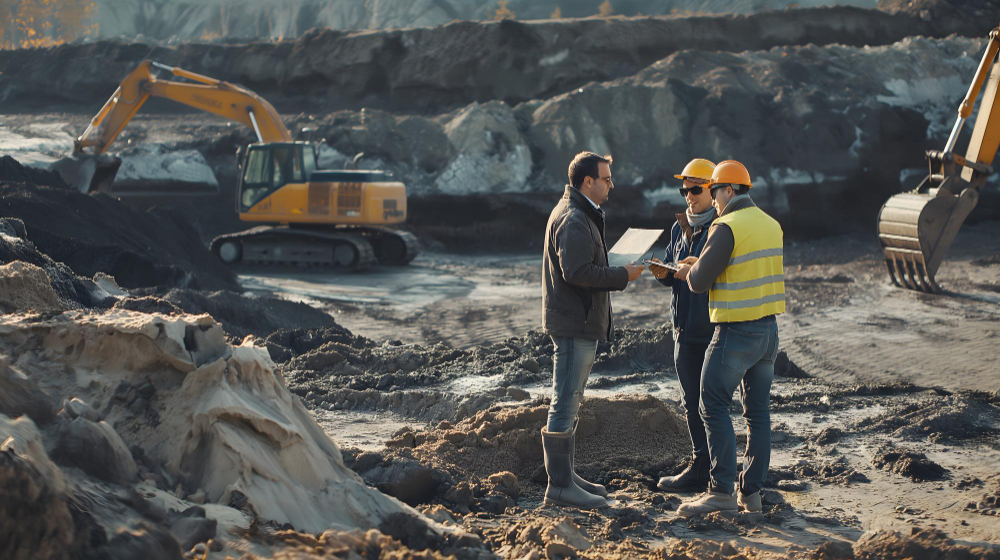
A proper site assessment involves walking the property to identify obstacles, drainage patterns, and property lines. In Sanford and Seminole County, we also check for protected trees or gopher tortoise burrows before we start any machine work. This planning phase prevents costly fines and delays later.
When we look at a lot near Lake Monroe or out towards Lake Mary, we aren't just looking at the trees. We're looking at the ground. Is it low-lying? Does it hold water after those 3 PM thunderstorms? Understanding the topography is crucial. We also need to map out exactly where the house, driveway, and septic system (if applicable) will go. You don't want to clear more than you need to—keeping some mature trees can actually increase your property value.
This is also the time to set your budget. Land clearing costs can vary depending on density and access, but planning for $1,500 to $5,000 per acre is a typical range for residential lots, though heavy vegetation can push that higher.
Why do environmental rules matter for my lot?
Ignoring environmental regulations can shut down your project and lead to thousands of dollars in fines. Florida has strict laws protecting wetlands and specific wildlife, like the gopher tortoise and scrub-jay. If your property is in a protected area, you might need special surveys before a single tree is touched.
Soil erosion is another major concern. Our sandy soil washes away easily during heavy rains. If you clear a lot and don't manage the runoff, you could end up silting up a neighbor's pond or clogging municipal storm drains. We have to plan for silt fences and other barriers to keep the soil where it belongs.
We also look at tree conservation. Many local municipalities, including Sanford, have tree ordinances. You might need a permit to remove grand oaks or other significant trees. A professional land clearing team will know which trees are protected and can help you navigate the rules to keep your project legal.
Do I really need a permit to clear my own land?
Yes, in almost all cases in Sanford and Seminole County, you need a permit for land clearing, especially for new construction. The county wants to ensure that the clearing won't negatively impact drainage or the environment.
Navigating the permitting process can feel overwhelming for a homeowner. You'll typically need to submit a site plan showing what you intend to clear and what erosion control measures you'll use. Permit fees vary, often starting around $50-$100 for simple residential reviews but scaling up for larger projects.
Don't let the paperwork scare you. When you hire a professional service, we often help manage this part of the process. We know who to talk to at the building department and what specific details they need to see on the application. Getting this right the first time saves weeks of back-and-forth.
How do you actually remove the trees and brush?
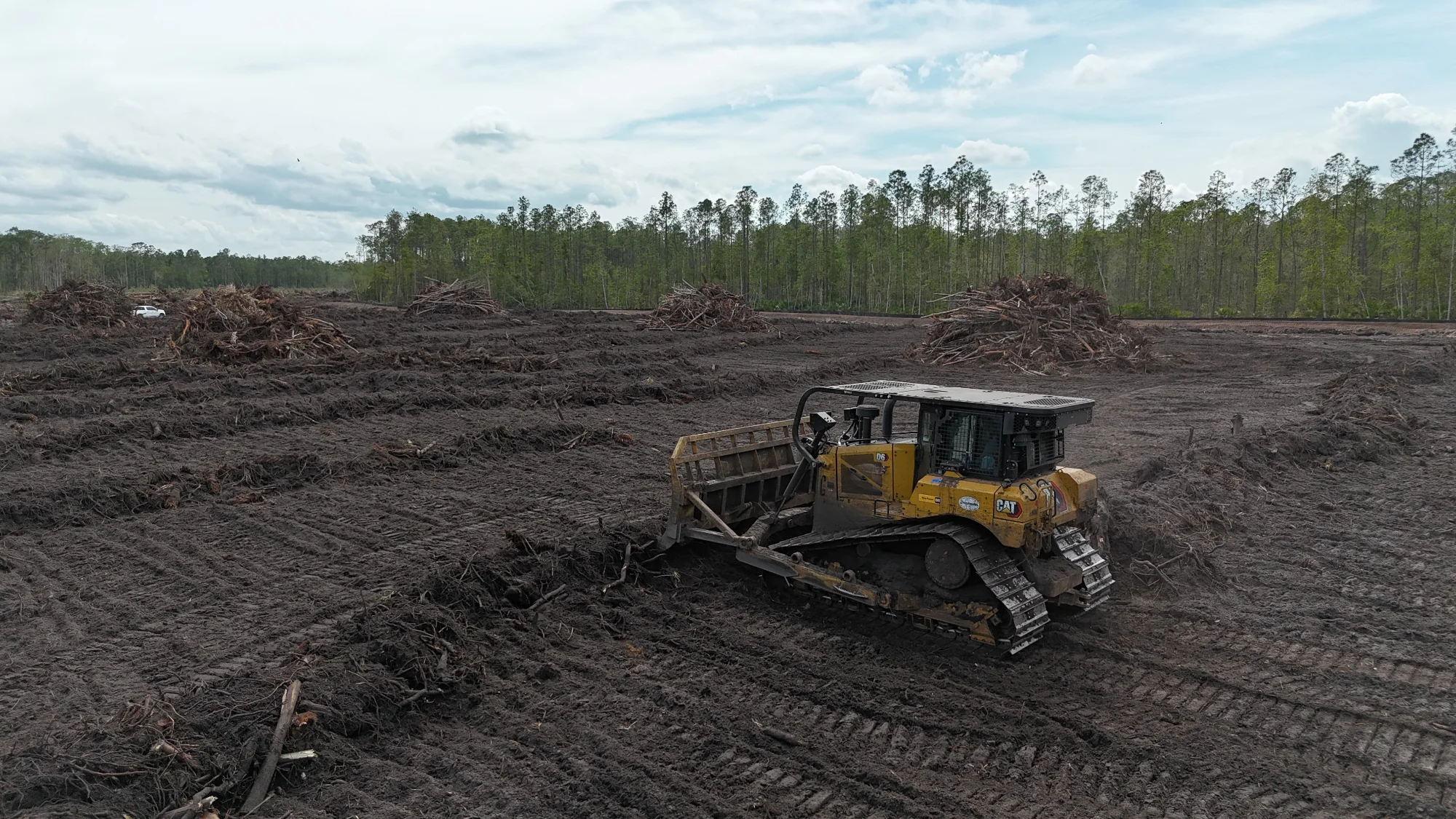
We use heavy equipment like bulldozers, excavators, and forestry mulchers to systematically remove vegetation. For land clearing Sanford Florida projects, we usually start by removing the underbrush to get a clear view of the larger trees, then move on to felling trees and removing stumps.
The right equipment makes all the difference. In tight residential neighborhoods like those near the Historic District, we might use smaller steer skids to avoid damaging curbs or neighboring fences. For larger lots out on the outskirts, we bring in the big iron to make quick work of dense palmetto and pine.
Stump removal is critical. You can't just grind a stump down if you plan to build a house foundation on top of it; the rotting wood will eventually cause the ground to settle, cracking your foundation. For the building footprint, stumps must be completely pulled out by the roots. For areas that will be your yard or driveway, grinding the stumps down 6-12 inches below grade is usually sufficient and cost-effective.
What happens after the trees are gone?
After the vegetation is removed, we grade the land to ensure proper drainage and stability. This involves smoothing out the holes left by stump removal and shaping the land, so water flows away from where your house will sit.
In Florida, we deal mostly with sandy soil, which drains well but shifts easily. Sometimes we need to bring in fill dirt to raise the elevation of the house pad, ensuring you're safely above the floodplain. We compact the soil in layers to create a solid base. If this step is rushed, your driveway might crack, or your yard might turn into a swamp during the rainy season.
Proper grading protects your home from water damage. We aim to create a gentle slope away from the foundation—typically dropping 6 inches for the first 10 feet away from the house.
How do we stop the dirt from washing away?
Erosion control involves installing physical barriers like silt fences and hay bales to trap sediment before it leaves your construction site. In Florida, where sudden downpours are common, these measures are mandatory.
You'll see those black fabric fences (silt fences) around almost every construction site in Seminole County for a reason. They work. We might also seed the cleared areas with temporary grass like rye or millet if construction isn't starting immediately. This "cover crop" grows rapidly and holds the soil in place with its extensive root system.
Maintaining the soil on your property isn't just about complying with the law; it's about being a good neighbor. Nobody wants a muddy mess washing into their pool or garden.
Preparing a lot for a new home is a big job. It sets the stage for everything that follows. If the land isn't cleared and graded correctly, you fight an uphill battle during the entire construction process.
We aren't just guys with chainsaws. We are site preparation specialists who understand the local land. Likewise, we know how the soil here reacts to rain, we know the local codes, and we know how to get your lot ready efficiently and safely.
If you're planning to build your dream home in Sanford or anywhere in Central Florida, don't leave the most important first step to chance.
We have the equipment and the experience to handle your project from the first permit application to the final grade. Let us help you start your build on solid ground.
Call Drinkwater & Drinkwater today at (407) 732-4530 to schedule your site assessment.

Copyright © 2023. All Rights Reserved.
Web Design, SEO & Hosting by REK Marketing & Design