Florida is well-known for its lush landscapes and abundant water, but for farm owners, that water can sometimes be in the wrong place at the wrong time. Land reclamation is the process of creating new, usable land from oceans, riverbeds, or swamps. In a state historically defined by its wetlands, this practice has played a massive role in shaping the Florida we know today.
From the early days of pioneers draining the Everglades to modern agricultural developments, managing water and soil has always been a fight against the elements. For local property owners, effective land clearing is often the first step in this reclamation journey. Whether you're looking to expand your crop fields near Lake Monroe or stabilize a pasture that floods every rainy season, understanding the history and methods of reclamation is essential for getting the most out of your property.
Why is land reclamation critical for Florida agriculture?
Florida’s population is booming, and the demand for agricultural produce is higher than ever. But land is a finite resource. Reclamation allows us to take areas that were previously unusable—often due to saturation or difficult terrain—and turn them into productive farmland.
Why it matters:
This isn't just about creating more space; it's about water management. Proper reclamation ensures that your farm can handle the torrential downpours of a Seminole County summer without washing away your livelihood. It balances the need for arable land with the necessity of preserving our natural aquifers.
What methods are used to reclaim land?
There isn't a one-size-fits-all approach to fixing land. The method depends on what you're starting with and what you want to grow.
Dredging and Filling
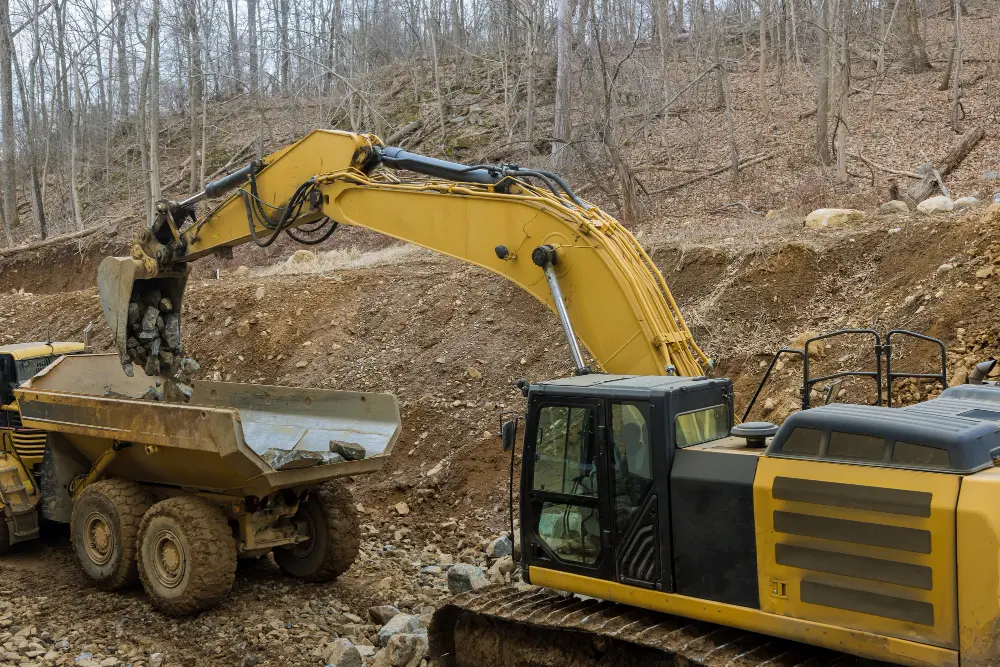
This is the most well-known method, often used in larger coastal or riverfront projects. It involves removing sediments from the bottom of a water body (dredging) and placing them elsewhere to raise the land level (filling). While effective, this requires heavy permitting and precise execution to avoid damaging the surrounding ecosystem.
Habitat Restoration and Management
Sometimes, reclamation isn't about paving over nature but working with it. This involves removing invasive species like Brazilian Pepper or Melaleuca that choke out native vegetation and ruin the soil quality. By clearing these out, we restore the land's natural ability to drain and support native crops or livestock.
Mechanical Processing
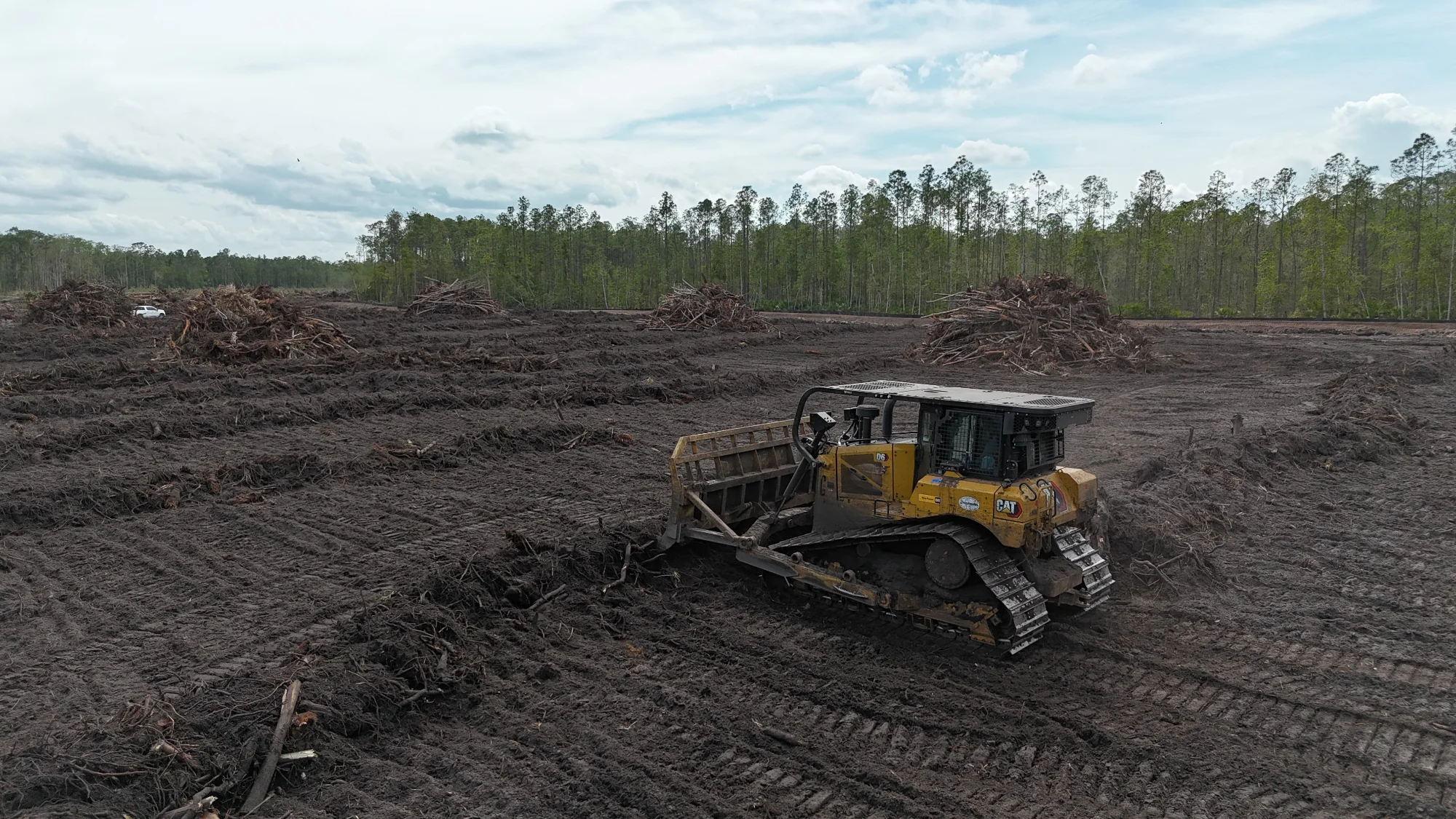
For many farm owners, the challenge is thick vegetation and uneven terrain. This is where grinding comes into play. Instead of burning debris—which is becoming harder to do with strict burn bans—we process vegetation right on site. This turns waste into mulch, which helps prevent soil erosion and retains moisture for your crops.
How does land clearing Sanford Florida impact local projects?
When we talk about land clearing Sanford Florida projects, we are often discussing the balance between development and nature. We have seen successful reclamation efforts where older, overgrown citrus groves were cleared and releveled to make way for modern, efficient row crops or equestrian facilities.
However, these projects must be handled with care. Poorly planned reclamation can lead to nutrient runoff into the St. Johns River, causing algae blooms and water quality issues. That is why working with a team that understands the local landscape is non-negotiable.
What are the rules for reclamation?
You cannot simply move dirt wherever you please. Florida has strict regulations managed by the Florida Department of Environmental Protection (DEP) and local Water Management Districts.
Why it matters:
Ignoring these rules can lead to massive fines. For instance, disturbing a wetland without a permit's a serious offense. You need to know the difference between an upland buffer and a protected wetland before you start your land clearing Sanford Florida project. The permitting process ensures that your improvements don't flood your neighbor's property or destroy critical wildlife habitats.
What does it cost to clear and reclaim land?
The financial investment varies wildly based on the density of vegetation and the "wetness" of the land. According to recent agricultural data, mechanical land clearing can range significantly in price. Forestry mulching, a common technique for lighter reclamation, typically costs between $400 and $600 per acre, depending on the density of the brush.
Why it matters:
Knowing these numbers helps you budget for the ROI of your farm expansion. While the upfront cost might seem high, the long-term value of having usable, well-drained acreage far outweighs the expense of letting land sit idle and overgrown.
What challenges should farm owners expect?
The greatest challenge is often the environmental balancing act. You want to maximize your acreage, but you also have to protect the land for future generations. Future trends in reclamation are moving toward sustainable practices—using organic mulch from on-site grinding to stabilize soil rather than importing fill dirt.
Another challenge is the rapid urbanization of areas like Historic Downtown Sanford and its outskirts. As the city expands, farm owners face more scrutiny regarding dust, noise, and runoff. Professional land clearing Sanford Florida services help mitigate these issues by getting the job done quickly and cleanly, minimizing disruption to the community.
Partnering for Success
Successful land reclamation requires more than just heavy machinery; it requires a plan. It involves analyzing the soil, understanding the water flow, and navigating the complex web of local regulations.
We are not just operators; we are planners. We look at your land not just for what it's, but for what it could be. By combining decades of experience with a deep respect for the Florida landscape, we ensure your reclamation project sets your farm up for decades of success.
Secure your farm’s future
Responsible land reclamation is the key to unlocking the full potential of your property. It turns liability land into asset land, giving you the space you need to grow. Whether you're clearing invasive brush near the St. Johns River or leveling a new pasture in Seminole County, you need a partner who knows the terrain.
If you're ready to reclaim your land and expand your operations, don't go it alone. Contact Drinkwater & Drinkwater at (407) 732-4530 today. We are the local experts you trust to get the job done right.